Using hand tools to install a ceiling fan, fix a car, or repair plumbing are just a few situations where you can find yourself working with tools held above your head, in tight spaces, and in awkward body positions for extended periods. By properly selecting and using hand tools, you can prevent serious injuries, musculoskeletal disorders and unnecessary suffering, as well as lost workdays.
For many workers, using hammers, wrenches, pliers, screwdrivers, and other hand tools is part of their day-to-day work. Non-powered and powered hand tools, such as drills, are widely used in a variety of industries as well as at home.
Along with common injuries such as cuts and bruises, the frequent and extended use of hand tools can cause soreness, aches, pains, and fatigue, which, when ignored, can lead to chronic musculoskeletal disorders. Musculoskeletal disorders are injuries or disorders that affect the musculoskeletal system, including muscles, tendons and nerves. Common examples of musculoskeletal disorders are tendonitis, tenosynovitis, bursitis, tennis elbow (epicondylitis), and carpal tunnel syndrome.
You can help reduce these types of injuries and work-related musculoskeletal disorders by choosing the right tool for the job and using it correctly. Using a well-designed tool that fits your hand without causing awkward postures or harmful contact pressures, will help decrease the physical demand required to complete the task. If you use a tool that doesn't fit your hand or use it in a way in which it was not intended, you risk developing an injury.
SIGNS OF INJURY
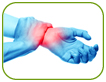
Problems that result from prolonged usage of the wrong tool or the right tool used improperly can appear as symptoms such as tingling, swelling of joints, decreased ability to move, continual muscle fatigue, sore muscles, numbness, change in skin colour of your hands or fingertips, and pain from movement, pressure, or exposure to cold or vibration.
These symptoms may not appear immediately - they can develop over weeks, months, or years. By then, the damage may be serious, so it's important to take preventative action.
HAZARDS
Static load, awkward working positions and postures, and tissue compression are all factors that can cause discomfort, fatigue and, eventually, musculoskeletal disorders.
Static load
Static load or effort occurs when you keep your muscles tense, motionless, elevated or extended for a period of time. Bending and twisting the neck or the whole torso can also increase static load considerably. When you add the exertion of force required by hand tools the static load can increase even further.
Static effort increases the pressure on muscles, tissues, tendons and ligaments. It reduces blood flow which can cause muscles to tire at a much quicker rate than they would when performing work involving movement. Statically loaded muscles are much more vulnerable to fatigue and subsequent injury than muscles which are performing dynamic work. Furthermore, muscles which are tired by static work take more than 10 times longer to recover from fatigue.
Awkward working positions and body postures
Hand tools can be useful when working in tight spaces and when access is difficult. However, working in a tight space often means working in an awkward position. When the hand holds and uses a tool in an awkward position, it has less strength. When your arm is uncomfortable, the rest of your body is likely to be so as well, because it is natural to compensate for discomfort by trying to realign the body by bending the back, rounding the shoulders, tilting the neck, and so on. Awkward positions of the upper body increase the effort needed to complete the task. The resulting fatigue, discomfort, and pain add to the risk for developing injury.
Tissue compression
Using a hand tool requires a firm grip. However, if you are gripping too hard the resulting compression of soft tissue in the palm and fingers may obstruct blood circulation, resulting in numbness and tingling.
TOOL SELECTION
Selecting ergonomically designed tools and using them properly can help avoid pain and injury. This is particularly important when the job requires movements that are repetitive and forceful.
Some basic tips when using hand tools:
- Select the right tool for the job. Substitutes increase the chance of having an accident.
- Consider power tools for repetitive tasks, if appropriate.
- Use tools designed to allow the wrist to stay straight. Avoid using hand tools with your wrist bent.
- Use good quality tools.
- Pull on a wrench or pliers. Never push unless you hold the tool with your palm open.
The best tool is one that:
- Fits the job you are doing
- Fits the work space available
- Reduces the force you need to apply
- Fits your hand
- Can be used in a comfortable work position
Taking care and precautions up front can help to prevent a lot of pain and serious injury.
RESOURCES

 Jennifer Stroschein
 Michelle Graveen